- (+84) 86 696 0800
- htdn@tpm.com.vn
- 102 Phung Van Cung Street, Cau Kieu Ward, Ho Chi Minh City

- (+84) 86 696 0800
- htdn@tpm.com.vn
- 102 Phung Van Cung Street, Cau Kieu Ward, Ho Chi Minh City
Archives
- October 2026
- September 2026
- July 2026
- June 2026
- May 2026
- April 2026
- March 2026
- February 2026
- January 2026
- December 2025
- November 2025
- October 2025
- September 2025
- August 2025
- July 2025
- June 2025
- May 2025
- April 2025
- March 2025
- February 2025
- January 2025
- December 2024
- November 2024
- October 2024
- September 2024
- August 2024
- July 2024
- June 2024
- May 2024
- April 2024
- March 2024
- January 2024
- November 2023
Categories
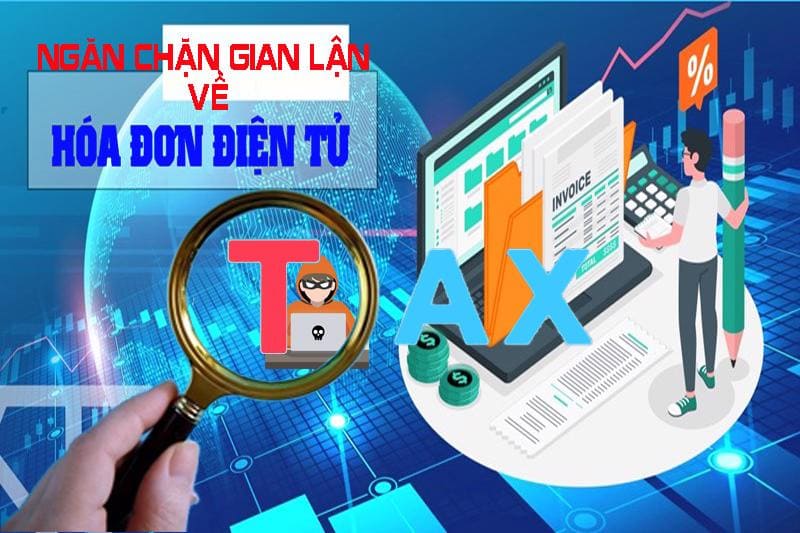
The Tax General Department Intensifies the Fight Against Illegal Electronic Invoice Trading
-
Is Salary Transferred From Overseas To A Vietnamese Bank Account Subject To Tax In Vietnam?
-
Vietnam Achieves Investment-Grade Credit Rating For The First Time From R&I
-
International Institutions Raise Positive Outlook For Vietnam’s Economic Growth In 2026
-
Ready-Built Factories Outpace Industrial Land, Attracting More Than USD 7 Billion In New Manufacturing FDI To Vietnam
-
German Businesses Accelerate Investment In Vietnam’s Green Hydrogen Sector
Despite significant efforts in managing electronic invoices and handling cases of illegal invoice trading, this issue remains complex. In response, the Tax General Department has strengthened measures to effectively prevent and handle this illegal activity.
The Reality of Illegal Invoice Trading
- Growth of Electronic Invoices: Since the implementation of e-invoices, the number of invoices issued has increased significantly, but the illegal trading of invoices persists.
- Sophisticated Operating Methods: Perpetrators employ various sophisticated tactics for invoice trading, such as establishing shell companies, utilizing social media for trading, or acquiring weak businesses to use their invoices.
- Severe Consequences: Illegal invoice trading leads to revenue loss, distorts market competition, and facilitates illegal economic activities.
Measures of the Tax General Department
To combat this issue, the Tax General Department has implemented several measures, including:
- Strengthening the Legal Framework: Improving regulations on e-invoice management and enhancing the handling of violations.
- Building Information Systems: Developing IT applications to manage, monitor, and detect anomalies in invoice transactions.
- Strengthening Interdisciplinary Cooperation: Closely cooperating with law enforcement agencies, customs, and other relevant agencies to combat tax crimes.
- Raising Public Awareness: Increasing public awareness of tax laws and the consequences of illegal invoice trading.
Achievements
Thanks to the efforts of the tax authorities, many cases of invoice trading have been detected and handled. However, the situation remains complex, requiring continued cooperation and innovative approaches from relevant agencies.
Future Directions
To effectively prevent illegal invoice trading, the following solutions should be continued:
- Raising Public Awareness: Enhancing public understanding of tax laws and the consequences of illegal invoice trading.
- Improving the Database: Building a national invoice database to enhance monitoring and analysis capabilities.
- Applying Technology: Using new technologies such as artificial intelligence and big data to detect and prevent violations.
- Strengthening International Cooperation: Sharing experiences and cooperating with other countries in combating tax crimes.
Conclusion
Illegal invoice trading is a serious issue that affects the economy and society. Addressing this issue requires close cooperation among government agencies, businesses, and the public. With continued efforts, we believe that this issue can be effectively addressed.
-
Tax registration and tax declaration for individual business (“IB”) selling goods via Shopee in Vietnam
-
Newest Regional Minimum Wage In 2025
-
Trade Agreements (CPTPP, EVFTA, RCEP) Impact On FDI Enterprises
-
From July 1, 2025: Non-Salaried Business Managers Required To Participate In Mandatory Social Insurance
-
Property Rental Tax Obligations: New Regulations, Declaration & Updated Rates 2025-2026


TPM is proud to be an agency that provides full and excellent services in accounting, tax, HR & advisory services in Vietnam in nowadays business finance market.
Contact Us
TPM TAX AGENCY & CONSULTING CORPORATION
Tax Number: 0312787706
Feel free to contact & reach us!
Address: 102 Phung Van Cung Street, Cau Kieu Ward, Ho Chi Minh City
Email : htdn@tpm.com.vn
Hotline : (+84) 86 696 0800