- (+84) 86 696 0800
- htdn@tpm.com.vn
- 102 Phung Van Cung Street, Cau Kieu Ward, Ho Chi Minh City

- (+84) 86 696 0800
- htdn@tpm.com.vn
- 102 Phung Van Cung Street, Cau Kieu Ward, Ho Chi Minh City
Archives
- October 2026
- September 2026
- July 2026
- June 2026
- May 2026
- April 2026
- March 2026
- February 2026
- January 2026
- December 2025
- November 2025
- October 2025
- September 2025
- August 2025
- July 2025
- June 2025
- May 2025
- April 2025
- March 2025
- February 2025
- January 2025
- December 2024
- November 2024
- October 2024
- September 2024
- August 2024
- July 2024
- June 2024
- May 2024
- April 2024
- March 2024
- January 2024
- November 2023
Categories
Vietnam Achieves Investment-Grade Credit Rating For The First Time From R&I
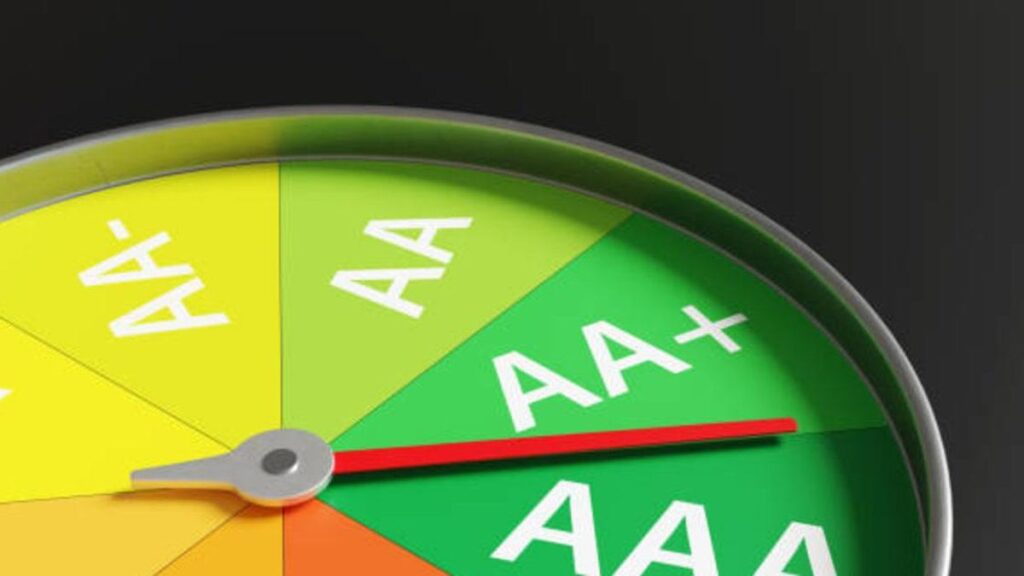
Vietnam has achieved a significant milestone in its sovereign credit profile, as Rating and Investment Information, Inc. (R&I) upgraded the country’s foreign-currency issuer credit rating to BBB-, with a “Stable” outlook, bringing Vietnam into the investment-grade category for the first time under R&I’s rating scale.
On October 8, 2026, R&I announced the upgrade from BB+, previously carrying a “Positive” outlook, to BBB- with a “Stable” outlook. The decision reflects the agency’s assessment of Vietnam’s growth prospects, fiscal headroom, reform progress, and resilience to external shocks.
Strong Growth Prospects And Ongoing Reforms Support The Upgrade
According to R&I, Vietnam’s growth outlook remains a key pillar underpinning its credit profile. The agency expects the country to sustain relatively high growth as its economy gradually shifts toward a model driven increasingly by productivity and innovation. Expanding public investment and continued foreign direct investment (FDI) inflows are also expected to support this trajectory.
Vietnam’s consistent implementation of reform programs was another factor viewed positively by the rating agency. R&I noted that continued and coordinated implementation of comprehensive reforms would help the country maintain strong and more stable economic growth.
Vietnam’s growth performance is considered robust compared with that of other Southeast Asian economies. Meanwhile, the government’s ongoing reform agenda, including streamlining the state apparatus, promoting private-sector development, strengthening institutions, and developing capital markets is creating a stronger foundation for sustainable growth and greater economic resilience.
Fiscal Headroom Provides Room For Development Investment
Beyond its growth outlook, Vietnam’s fiscal position was another important consideration in R&I’s assessment. The agency noted that the country’s public debt-to-GDP ratio remains relatively low, providing fiscal headroom to increase development investment.
R&I expects the budget deficit and public debt ratio to rise in the coming period. However, it does not currently see significant risks to debt sustainability.
According to the agency, expanded public investment could support future economic growth, while the government’s efforts to control recurrent expenditure would help maintain fiscal balance.
External Resilience Strengthens Vietnam’s Credit Profile
Vietnam’s ability to withstand external shocks is also supported by its external sector fundamentals. R&I highlighted the country’s continued current account surplus, sustained FDI inflows, and relatively low external debt burden as factors strengthening its resilience to global economic volatility.
To support the rating assessment, Vietnam’s Ministry of Finance worked with relevant ministries and government agencies and held direct discussions with R&I in April and May 2026.
The engagement drew on Vietnam’s macroeconomic achievements in recent years and built on the country’s experience working with international credit rating agencies, including Moody’s, Fitch, and S&P.
Risks And Challenges Remain Under Close Observation
Despite its positive assessment of Vietnam’s outlook, R&I highlighted several areas requiring continued monitoring. These include rapid credit growth, bank liquidity, real estate lending, the financial system’s ability to meet capital requirements, and the size of the country’s foreign exchange reserves.
These factors remain important considerations in assessing the sustainability of Vietnam’s growth and the resilience of its financial system.
What The Investment-Grade Rating Means For Vietnam
Against a backdrop of continued global economic uncertainty, Vietnam’s first BBB- rating from R&I and its entry into the investment-grade category mark an important step forward in strengthening the country’s sovereign credit profile.
The upgrade enhances Vietnam’s standing in international credit markets and may help reinforce investor confidence, while improving the country’s ability to attract long-term capital to support socioeconomic development.
Following the upgrade, the Ministry of Finance stated that it would continue coordinating with relevant government agencies to engage with R&I and other credit rating agencies. The authorities will provide timely and comprehensive information on Vietnam’s socioeconomic conditions, fiscal position, and public debt.
Regular updates will help ensure that Vietnam’s sovereign credit profile is assessed on the basis of complete, accurate, and up-to-date information.
Ultimately, the investment-grade rating represents not only recognition of Vietnam’s economic progress but also an opportunity to strengthen its access to international capital markets. Sustaining this progress will depend on continued reforms, sound fiscal management, and effective monitoring of financial and external risks.
-
Vietnam Achieves Investment-Grade Credit Rating For The First Time From R&I
-
International Institutions Raise Positive Outlook For Vietnam’s Economic Growth In 2026
-
Ready-Built Factories Outpace Industrial Land, Attracting More Than USD 7 Billion In New Manufacturing FDI To Vietnam
-
German Businesses Accelerate Investment In Vietnam’s Green Hydrogen Sector
-
First Eight Months Of 2026: FDI Inflows Into Vietnam Surpass USD 40 Billion
-
Tax registration and tax declaration for individual business (“IB”) selling goods via Shopee in Vietnam
-
Newest Regional Minimum Wage In 2025
-
Trade Agreements (CPTPP, EVFTA, RCEP) Impact On FDI Enterprises
-
From July 1, 2025: Non-Salaried Business Managers Required To Participate In Mandatory Social Insurance
-
Property Rental Tax Obligations: New Regulations, Declaration & Updated Rates 2025-2026


TPM is proud to be an agency that provides full and excellent services in accounting, tax, HR & advisory services in Vietnam in nowadays business finance market.
Contact Us
TPM TAX AGENCY & CONSULTING CORPORATION
Tax Number: 0312787706
Feel free to contact & reach us!
Address: 102 Phung Van Cung Street, Cau Kieu Ward, Ho Chi Minh City
Email : htdn@tpm.com.vn
Hotline : (+84) 86 696 0800