- (+84) 86 696 0800
- htdn@tpm.com.vn
- 102 Phung Van Cung Street, Cau Kieu Ward, Ho Chi Minh City

- (+84) 86 696 0800
- htdn@tpm.com.vn
- 102 Phung Van Cung Street, Cau Kieu Ward, Ho Chi Minh City
Archives
- October 2026
- September 2026
- July 2026
- June 2026
- May 2026
- April 2026
- March 2026
- February 2026
- January 2026
- December 2025
- November 2025
- October 2025
- September 2025
- August 2025
- July 2025
- June 2025
- May 2025
- April 2025
- March 2025
- February 2025
- January 2025
- December 2024
- November 2024
- October 2024
- September 2024
- August 2024
- July 2024
- June 2024
- May 2024
- April 2024
- March 2024
- January 2024
- November 2023
Categories
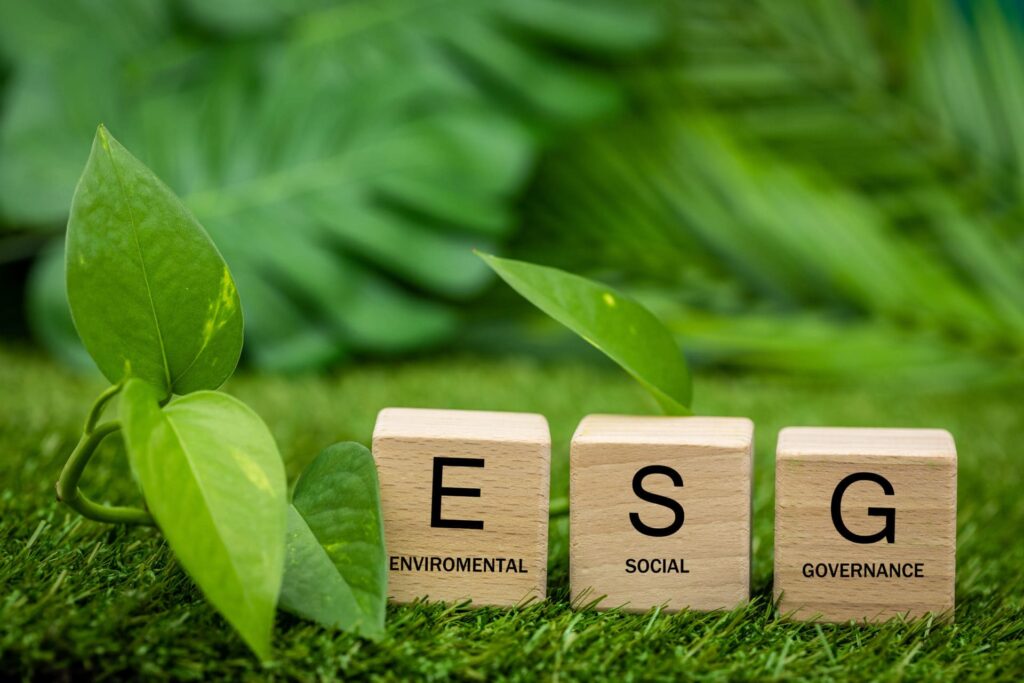
ESG: The essential pathway to sustainable business growth
-
Vietnam Achieves Investment-Grade Credit Rating For The First Time From R&I
-
International Institutions Raise Positive Outlook For Vietnam’s Economic Growth In 2026
-
Ready-Built Factories Outpace Industrial Land, Attracting More Than USD 7 Billion In New Manufacturing FDI To Vietnam
-
German Businesses Accelerate Investment In Vietnam’s Green Hydrogen Sector
-
First Eight Months Of 2026: FDI Inflows Into Vietnam Surpass USD 40 Billion
In the evolving landscape of global economics, Environmental, Social, and Governance (ESG) standards have become an indispensable requirement for businesses. For companies in Vietnam, adhering to ESG is not merely a trend but a fundamental necessity for long-term survival and growth.
ESG serves as a comprehensive framework enabling businesses to measure and enhance their impact on the environment and society. According to MSCI, companies with strong ESG performance typically enjoy higher Price-to-Earnings (P/E) ratios, reflecting investors’ confidence in their risk management and sustainable growth potential. In Vietnam, a survey by VCCI revealed that 80% of businesses reported improved operational efficiency and increased access to capital after implementing ESG standards.
While small and medium-sized enterprises (SMEs) face challenges in implementing ESG—such as limited resources and a lack of awareness—the potential rewards are significant. The International Finance Corporation (IFC) reports that initial investments in energy-saving measures can constitute 5-10% of total operating costs but can be recouped within 3-5 years due to reduced energy and material expenses.
Despite these challenges, SMEs can seize numerous opportunities through ESG. A McKinsey study indicates that companies investing in sustainable practices can achieve revenue growth 5-10% higher than their non-ESG-compliant competitors. Furthermore, consumer preference for sustainable products is rising, with Nielsen finding that 73% of global consumers are willing to pay more for environmentally friendly products.
Adopting ESG principles not only enhances corporate image but also unlocks new business opportunities. International investors and major investment funds, such as BlackRock and Vanguard, have publicly committed to investing solely in companies with clear and transparent ESG policies. According to Bloomberg, investment inflows into ESG funds hit a record high, with total assets under management surpassing $1.2 trillion in 2021, marking a 55% increase from the previous year.
Moreover, ESG compliance enables businesses to participate in global supply chains of multinational corporations. A PwC study highlights that 85% of large companies worldwide now require their suppliers to adhere to ESG standards. This requirement opens vast opportunities for Vietnamese businesses to enter international markets, especially in sectors with high demand for sustainable products, such as food, textiles, and electronics.
Strategies for Implementing ESG
- Environmental: Companies should focus on reducing carbon emissions, utilizing renewable energy sources, and managing waste efficiently. According to the International Energy Agency (IEA), optimizing production processes can cut industrial carbon emissions by up to 15%.
- Social: Businesses need to prioritize workforce development, ensure workplace safety, and engage in community activities. A report by UNDP suggests that companies with sustainable human resource strategies have 30% higher employee retention rates compared to others.
- Governance: Establishing a transparent and effective governance system is crucial for sustainable business growth. Harvard Business Review research indicates that well-governed companies typically achieve 2-3% higher profitability than their peers, alongside reduced legal and financial risks.
In Conclusion, ESG implementation is not just a regulatory requirement but a strategic business imperative. Companies must swiftly embrace this trend to secure long-term growth and sustainability. Commitment and effort in ESG will not only help businesses reduce their carbon footprint but also enhance operational efficiency and meet the evolving demands of modern markets. In an era of increasing economic and environmental challenges, ESG is a vital tool for building resilience and achieving sustainable development.
-
Tax registration and tax declaration for individual business (“IB”) selling goods via Shopee in Vietnam
-
Newest Regional Minimum Wage In 2025
-
Trade Agreements (CPTPP, EVFTA, RCEP) Impact On FDI Enterprises
-
From July 1, 2025: Non-Salaried Business Managers Required To Participate In Mandatory Social Insurance
-
Property Rental Tax Obligations: New Regulations, Declaration & Updated Rates 2025-2026


TPM is proud to be an agency that provides full and excellent services in accounting, tax, HR & advisory services in Vietnam in nowadays business finance market.
Contact Us
TPM TAX AGENCY & CONSULTING CORPORATION
Tax Number: 0312787706
Feel free to contact & reach us!
Address: 102 Phung Van Cung Street, Cau Kieu Ward, Ho Chi Minh City
Email : htdn@tpm.com.vn
Hotline : (+84) 86 696 0800