- (+84) 86 696 0800
- htdn@tpm.com.vn
- 102 Phung Van Cung Street, Cau Kieu Ward, Ho Chi Minh City

- (+84) 86 696 0800
- htdn@tpm.com.vn
- 102 Phung Van Cung Street, Cau Kieu Ward, Ho Chi Minh City
Archives
- October 2026
- September 2026
- July 2026
- June 2026
- May 2026
- April 2026
- March 2026
- February 2026
- January 2026
- December 2025
- November 2025
- October 2025
- September 2025
- August 2025
- July 2025
- June 2025
- May 2025
- April 2025
- March 2025
- February 2025
- January 2025
- December 2024
- November 2024
- October 2024
- September 2024
- August 2024
- July 2024
- June 2024
- May 2024
- April 2024
- March 2024
- January 2024
- November 2023
Categories
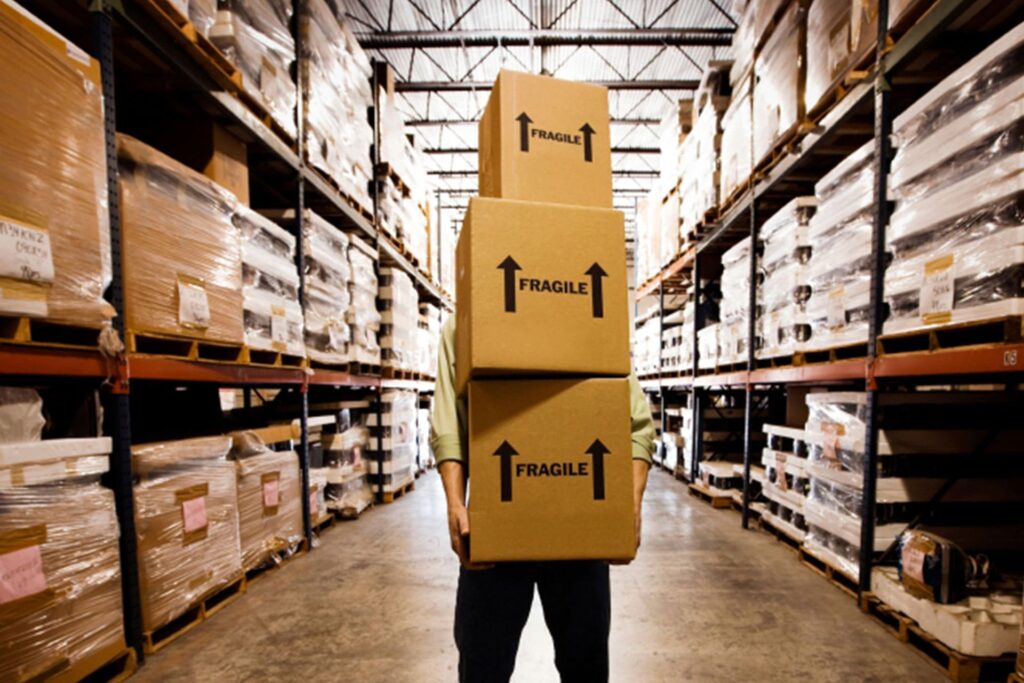
Increasing profit for SMEs through effective inventory management
-
Vietnam Achieves Investment-Grade Credit Rating For The First Time From R&I
-
International Institutions Raise Positive Outlook For Vietnam’s Economic Growth In 2026
-
Ready-Built Factories Outpace Industrial Land, Attracting More Than USD 7 Billion In New Manufacturing FDI To Vietnam
-
German Businesses Accelerate Investment In Vietnam’s Green Hydrogen Sector
-
First Eight Months Of 2026: FDI Inflows Into Vietnam Surpass USD 40 Billion
Inventory management is a crucial factor determining the success of any business, especially small and medium-sized enterprises (SMEs). An efficient inventory management system not only helps in cost-saving and cash flow optimization but also enhances business performance and competitiveness.
Why Is Inventory Management Important?
- Cost Optimization: Effective inventory management helps businesses minimize storage and preservation costs. This is particularly important for SMEs, where every penny counts. A good management system reduces waste from spoilage or expiration, thus optimizing operational costs.
- Improved Cash Flow: Maintaining a reasonable inventory level minimizes the capital tied up in goods, improving cash flow and liquidity. This allows SMEs to utilize their capital more flexibly and efficiently.
- Increased Operational Efficiency: Good inventory management optimizes production and distribution processes, reducing transportation time and costs. Businesses can meet customer demands more quickly and accurately, enhancing customer satisfaction.
- Enhanced Competitiveness: An effective inventory management system helps SMEs compete better in the market by providing quality products at reasonable prices and better customer service.
Effective Inventory Management Models
EOQ Model (Economic Order Quantity): EOQ helps businesses determine the optimal order quantity to minimize ordering and holding costs. SMEs can analyze annual demand, calculate ordering and storage costs, and then use the EOQ formula to make decisions. Implementing EOQ reduces costs and improves inventory management efficiency.
JIT Model (Just-In-Time): JIT minimizes inventory levels by producing and supplying materials just in time. SMEs can work closely with suppliers and apply the Kanban system to manage material flow. JIT reduces storage space and increases flexibility in responding to market demands.
Kanban System: Kanban is a visual management method using Kanban cards to signal production or supply needs. These cards contain information about the product, quantity to be produced, and completion time, ensuring a continuous flow of materials and products in the production process.
ABC Model (Activity-Based Costing): ABC classifies inventory into three groups A, B, and C based on value and importance. SMEs can focus on tightly managing group A, moderately managing group B, and allocating fewer resources to group C. ABC optimizes management costs and enhances market responsiveness.
Safety Stock Model: Safety stock ensures that goods are always available to meet customer demands even during significant fluctuations. SMEs can analyze sales data to forecast demand, determine volatility, and calculate safety stock levels. Maintaining safety stock minimizes the risk of stockouts and improves customer satisfaction.
SMEs can combine multiple inventory management models to suit their specific characteristics and needs. For example, applying EOQ to determine the optimal order quantity, combining it with safety stock to ensure safe reserves, and using JIT to minimize unnecessary inventory. Flexibility in applying these models will help SMEs optimize inventory management processes and achieve the best profitability.
Conclusion
Inventory management is not only a critical aspect of business operations but also a determining factor for the success and sustainable development of a company. By applying effective inventory management models, SMEs can optimize costs, improve cash flow, increase operational efficiency, and enhance competitiveness. Start today to see the positive changes and benefits that effective inventory management brings to your business.
-
Tax registration and tax declaration for individual business (“IB”) selling goods via Shopee in Vietnam
-
Newest Regional Minimum Wage In 2025
-
Trade Agreements (CPTPP, EVFTA, RCEP) Impact On FDI Enterprises
-
From July 1, 2025: Non-Salaried Business Managers Required To Participate In Mandatory Social Insurance
-
Property Rental Tax Obligations: New Regulations, Declaration & Updated Rates 2025-2026


TPM is proud to be an agency that provides full and excellent services in accounting, tax, HR & advisory services in Vietnam in nowadays business finance market.
Contact Us
TPM TAX AGENCY & CONSULTING CORPORATION
Tax Number: 0312787706
Feel free to contact & reach us!
Address: 102 Phung Van Cung Street, Cau Kieu Ward, Ho Chi Minh City
Email : htdn@tpm.com.vn
Hotline : (+84) 86 696 0800