- (+84) 86 696 0800
- htdn@tpm.com.vn
- 102 Phung Van Cung Street, Cau Kieu Ward, Ho Chi Minh City

- (+84) 86 696 0800
- htdn@tpm.com.vn
- 102 Phung Van Cung Street, Cau Kieu Ward, Ho Chi Minh City
Archives
- October 2026
- September 2026
- July 2026
- June 2026
- May 2026
- April 2026
- March 2026
- February 2026
- January 2026
- December 2025
- November 2025
- October 2025
- September 2025
- August 2025
- July 2025
- June 2025
- May 2025
- April 2025
- March 2025
- February 2025
- January 2025
- December 2024
- November 2024
- October 2024
- September 2024
- August 2024
- July 2024
- June 2024
- May 2024
- April 2024
- March 2024
- January 2024
- November 2023
Categories
VAT In 2025: Key Changes Businesses Need To Know
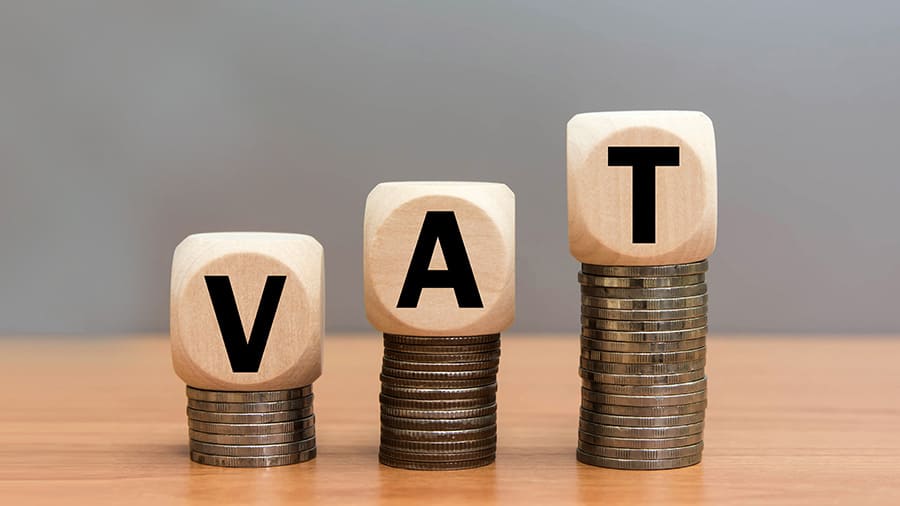
In 2025, Vietnam’s value-added tax (VAT) policy will undergo significant adjustments aimed at supporting businesses and promoting economic growth. Timely understanding of these changes will help businesses operate efficiently and comply with legal regulations.
Key Changes In VAT Policy In 2025
Continued 2% VAT rate reduction for the first six months of 2025
- Effective Period: From January 1, 2025, to June 30, 2025, the VAT rate will be reduced from 10% to 8% for groups of goods and services currently subject to the 10% tax rate.
- Exceptions: Certain groups of goods and services are not eligible for the tax reduction, including:
Telecommunications
Financial, banking, securities, and insurance activities
Real estate business
Metals and prefabricated metal products
Exploited mineral products (excluding coal mining)
Coke, refined petroleum, and chemical products
Goods and services subject to special consumption tax
Implementation of the new VAT law from July 1, 2025
- Effectiveness: The VAT Law No. 48/2024/QH15 will take effect from July 1, 2025, replacing the 2008 VAT Law.
- Key New Points:
Taxpayers: Supplementing regulations on taxpayers for e-commerce activities and businesses operating on digital platforms.
VAT-Exempt Items: Adjusting and supplementing certain VAT-exempt items, such as imported goods used for disaster relief, support, and sponsorship for natural disaster and epidemic prevention and control.
Tax Rates: Clearly defining the 0%, 5%, and 10% tax rates for each type of goods and service.
Deduction and Refund: Adding regulations on the conditions for input VAT deduction and cases eligible for tax refunds, ensuring transparency and convenience for businesses.
What Businesses Need To Do To Adapt?
- Update Legal Knowledge: Regularly monitor and grasp the latest legal documents related to VAT to ensure compliance with regulations.
- Adjust Accounting Systems: Ensure that accounting software and accounting procedures are appropriate for changes in tax rates and tax policies.
- Train Personnel: Organize training sessions for the finance and accounting department on the changes in VAT policy.
- Review Contracts and Selling Prices: Re-examine business contracts and adjust selling prices (if necessary) to accurately reflect changes in tax rates, ensuring benefits for both businesses and customers.
Conclusion
The changes in VAT policy in 2025 present both challenges and opportunities for businesses. Proactively updating information and making timely adjustments will help businesses operate efficiently, comply with the law, and take advantage of tax incentives.
In case you have any questions about the policy that require support, please contact TPM via our website or you can contact TPM directly via hotline (+84) 28 3505 1800 for the fastest support.
-
Vietnam Achieves Investment-Grade Credit Rating For The First Time From R&I
-
International Institutions Raise Positive Outlook For Vietnam’s Economic Growth In 2026
-
Ready-Built Factories Outpace Industrial Land, Attracting More Than USD 7 Billion In New Manufacturing FDI To Vietnam
-
German Businesses Accelerate Investment In Vietnam’s Green Hydrogen Sector
-
First Eight Months Of 2026: FDI Inflows Into Vietnam Surpass USD 40 Billion
-
Tax registration and tax declaration for individual business (“IB”) selling goods via Shopee in Vietnam
-
Newest Regional Minimum Wage In 2025
-
Trade Agreements (CPTPP, EVFTA, RCEP) Impact On FDI Enterprises
-
From July 1, 2025: Non-Salaried Business Managers Required To Participate In Mandatory Social Insurance
-
Property Rental Tax Obligations: New Regulations, Declaration & Updated Rates 2025-2026


TPM is proud to be an agency that provides full and excellent services in accounting, tax, HR & advisory services in Vietnam in nowadays business finance market.
Contact Us
TPM TAX AGENCY & CONSULTING CORPORATION
Tax Number: 0312787706
Feel free to contact & reach us!
Address: 102 Phung Van Cung Street, Cau Kieu Ward, Ho Chi Minh City
Email : htdn@tpm.com.vn
Hotline : (+84) 86 696 0800